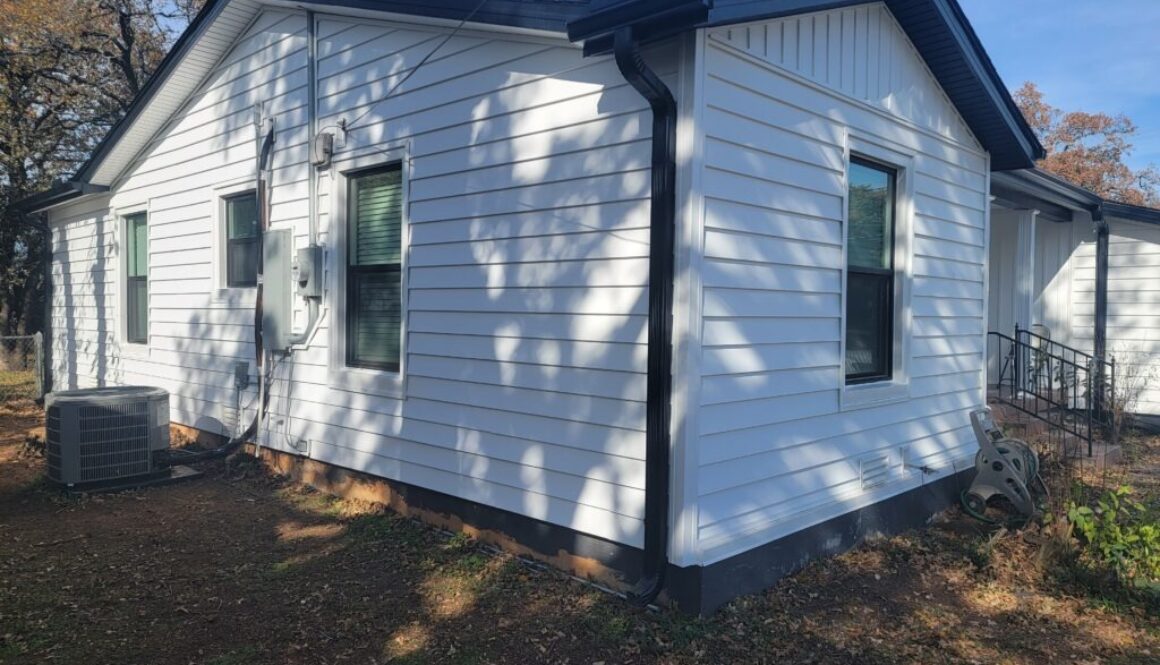
Installed by ProTex Remodeling, Serving Dallas/Fort Worth, TX
🔍Why Choose Prodigy® Insulated Siding?
☑️When it comes to transforming your home’s exterior, Prodigy® Next-Generation Insulated Siding from Alside sets a new standard for beauty, energy efficiency, and lasting performance. Here’s why Prodigy Insulated Siding outperforms standard vinyl siding, making it the smart choice for homeowners who value comfort and curb appeal.
🔍5 Reasons Prodigy® Insulated Siding Outperforms Other Vinyl Siding
✅Industry-Leading Insulation
Prodigy Insulated Siding boasts an industry-best 1-1/2″ thick, precision-contoured EPS foam insulation, providing exceptional R-value performance for more consistent indoor temperatures and lower energy costs than typical siding.
✅Superior Energy Efficiency
Up to 33% more energy efficient than standard siding, Prodigy Insulated Siding helps “wrap” your home, dramatically reducing energy loss and improving comfort year-round
✅Durability & Weather Resistance
With a Secure Interlocking Panel Design and impact-resistant foam core, Prodigy Insulated Siding stands strong against Texas weather, extreme winds, hail, and heavy rain—avoiding the cracking, fading, or rattling common in lesser products and protecting your home.
✅Fewer Seams, Timeless Beauty
Extended 16’8” panel length means Prodigy Insulated Siding has 39% fewer seams across your home’s exterior and super-clean lines for upscale, modern curb appeal. A range of colors with fade-defying ChromaTrue® technology keeps your siding vivid and maintenance needs minimal.
✅Noise Reduction & Structural Integrity
The thick foam not only insulates better, but also dampens exterior noise, making your home peaceful inside. Prodigy’s MonoWall structural design provides extra strength to resist impacts and retain its shape for decades.
🔍Prodigy® Features & Benefits
☑️Features
✅Benefits
1-1/2″ Thick EPS Insulation
Superior R-value and energy savings for lower utility bills
RigidLock™ Interlocking Panel Design
Tight, secure fit—no rattling panels, straight lines, and lasting performance
16’8” Extended Panel Length
39% Fewer seams for clean, upscale modern appearance
ChromaTrue® Fade-Defying Technology
Vibrant, low-gloss color selection. color stays true season after season
Virtually Maintenance-Free
No painting, staining, or harsh cleaners needed—just hose off occasionally
Weatherproof & Impact Resistant
Stands up to heavy winds, hail, and Texas storms without warping or damage
Sound Dampening Insulation
Quieter, more serene home environment
Integrated, Matching Trim & Accessories
Adds to energy savings and strengthens all architectural details
Lifetime Transferable Warranty
Peace of mind for homeowners and future buyers
💎The ProTex Remodeling Difference💎
🔍Why Homeowners in Dallas/Fort Worth Trust ProTex Remodeling
👍👍ProTex Remodeling is the premier vinyl siding contractor in Dallas/Fort Worth and serves Burleson and the surrounding metroplex with a commitment to fast, hassle-free, top-quality siding installation.
🔍Here’s how ProTex Remodeling helps you solve your siding issues:
✅Great Customer Experience:
As a Texas-Veteran Commission Verified, Veteran Owned Business with Hundreds of 5-Star Reviews. ProTex Remodeling understands the unique needs that your home has and provides tailored solutions to meet your needs.
✅The Best Products, Expertly Installed:
ProTex Remodeling offers only premium products, like Alside’s Prodigy, ensuring your home receives the highest level of protection, energy efficiency, and performance.
✅Exclusive Workmanship Guarantee:
ProTex Remodeling stands by its installations with our Exclusive Customer for Life Workmanship Guarantee and Free first year Installation Inspection.—so you can invest with confidence.
✅Personalized Customer Care
From first consultation to final walk-through, ProTex Remodeling provides a seamless experience for all of our customers with open and honest communication.
✅Attention to Detail
Our Certified and Factory Trained expert installers provide you with a near seamless installation experience. Our experienced team of home improvement professionals follow every detail of your project from start to finish, ensuring the ultimate customer experience for you.
Ready for Your Home Siding Transformation?
Call Us Today or Contact Us for your Free online consultation.
Get your siding consultation from ProTex Remodeling & discover the difference that Prodigy Insulated Siding makes for your Dallas/Fort Worth home!
Prodigy®: Beautiful. Efficient. Durable. Professionally installed by ProTex Remodeling — the proven vinyl siding leader for North Texas homeowners.
What is Noise Reduction Glass? New Ways to Stop Outside Noise and Make your Life Better Today.
Imagine trying to relax with your family in the living room. But the constant hum of traffic and the neighbors’ barking dogs are driving you crazy. This is a common problem for many homeowners in Dallas/Fort Worth Texas.
Noise reduction glass is made to block outside noise from getting into your home. Different types of glass, like tempered, laminated, and dissimilar glass, are key in reducing sound. Knowing the benefits and types of noise reduction glass can help you decide if it’s right for you.
Dissimilar glass is very effective at reducing sound.
STC ratings measure how well windows block sound.
Improved sleep quality is a big benefit of noise reduction glass.
Installing noise reduction glass can also increase your property’s value.
Understanding the Impact of Noise Pollution on Your Home
Noise pollution is a big problem for homeowners. It affects not just how well you live but also your health. Knowing where noise comes from and how it affects you is key.
Common Sources of External Noise in Residential Areas
Many things can make noise in your home, like traffic, construction sites, and airports. These can really raise the noise level in your home. For example, living near a busy road or under a flight path means constant noise.
How Noise Affects Your Health and Well-being
Noise pollution has serious health effects. High levels of noise can cause stress, sleep problems, and heart issues. It can also hurt children’s brains, affecting their learning and growth.
Sleep Disruption and Cognitive Performance
Noise pollutioncan mess up your sleep. High noise at nirmanceght can make you tired and less sharp. This is a big worry for kids and the elderly, as it can hurt their daily life and happiness.
Understanding how noise pollution affects your home and health is the first step to fixing it. It’s not just about finding where the noise comes from. It’s also about finding ways to reduce it, like using noise-reducing glass, to make your home quieter.
Measuring Noise: Decibel Levels in Your Home Environment
Measuring noise levels in your home is the first step to a quieter space. Knowing the decibel levels helps you spot areas needing noise reduction.
Understanding the Decibel Scale for Homeowners
The decibel scale measures sound intensity. Homeowners need to grasp this scale to gauge their home’s noise levels. For example, a normal conversation is about 60 decibels. But, a lawnmower or vacuum can reach up to 90 decibels or more.
Common Household and Neighborhood Noise Levels
Many sources contribute to noise pollution in homes and neighborhoods. These include traffic, aircraft, construction, and loud music. Knowing these sources and their decibel levels is key to effective noise reduction.
How to Measure Noise Levels in Your Home
To measure home noise, use a sound level meter or a smartphone app. These tools give accurate decibel readings. They help pinpoint areas needing noise reduction.
Here’s a simple table to show common noise sources and their decibel levels:
Noise Source
Decibel Level (dB)
Whisper
20
Normal Conversation
60
Lawnmower
90
Rock Concert
120
For a detailed analysis, consider these factors when measuring noise levels:
Time of day: Noise levels change a lot between day and night.
Location: Noise levels vary by room or area in your home.
Source: Find the main sources of noise pollution.
By understanding and measuring decibel levels in your home, you can choose the right noise reduction measures. This might include investing in noise reduction glass.
Noise Reduction Glass: The Science of Soundproofing Windows
Soundproofing windows is a complex science, but it makes homes quieter. To understand how, we need to know how sound moves through regular windows. We also need to know about Sound Transmission Class (STC) ratings.
How Sound Travels Through Traditional Windows
Regular windows don’t block sound well because of how they’re made. Sound waves go through single-pane glass, making homes noisy. Double-pane windows help a bit, but there’s still room for better sound blocking.
Advanced noise reduction glass uses special materials and designs. These help block sound much better.
Sound Transmission Class (STC) Ratings Explained
STC ratings measure how well materials block sound, like windows. A higher STC rating means a window blocks more noise. For example, a window with an STC rating of 30 blocks little sound. But a rating of 50 or higher blocks a lot more.
Interpreting STC Charts for Your Home
When picking noise reduction glass, STC charts are key. They show how different materials compare. For instance, laminated glass blocks more sound than regular tempered glass.
Looking at STC charts helps you pick the best glass for your needs.
Window Type
STC Rating
Noise Reduction Effectiveness
Single Pane Glass
18-25
Low
Double Pane Glass
22-31
Moderate
Disscimilar Glass
30-34
High
Laminated Glass
36-50+
Very High
Choosing the right noise reduction glass can make your home much quieter. It’s all about understanding how soundproofing windows work. This knowledge helps you create a quieter living space.
Tempered Glass for Noise Reduction: Capabilities and Limitations
The glass is heated up, then cooled down quickly. This process, called quenching, boosts its strength and makes it more resistant to heat stress.
STC Ratings of Standard Tempered Glass Windows
The Sound Transmission Class (STC) rating shows how well a window blocks noise. Standard tempered glass windows usually have an STC rating of 25-30. This is not as good as some other noise-reducing options.
Visual Comparison: Tempered Glass vs. Standard Glass Performance
Comparing tempered glass to standard glass shows that tempered glass is stronger. But, it doesn’t do much better in blocking noise. Here are some main differences:
Tempered glass is stronger and more resistant to breakage.
STC ratings for tempered glass are generally between 25-30.
Standard glass has lower STC ratings, typically around 20-25.
In summary, tempered glass has many benefits but doesn’t do well in reducing noise. If you want to block noise, you might need to look at other options like laminated or dissimilar glass.
Laminated Glass: The Sound-Dampening Sandwich
Laminated glass is a special solution for blocking outside noise. It has a unique interlayer that helps dampen sound. This makes it great for people who want to keep their homes quieter.
Structure and Composition of Laminated Glass
Laminated glass is made by placing a PVB interlayer between two glass panes. The PVB layer is key in soaking up sound energy. This means less outside noise gets into your home.
How the PVB Interlayer Blocks Sound Transmission
The PVB layer in laminated glass is crucial for sound dampening. When sound hits the glass, the PVB absorbs it. This stops the sound from passing through, making your home quieter.
STC Performance Graph: Laminated vs. Tempered Glass
Comparing the Sound Transmission Class (STC) ratings of laminated and tempered glass shows laminated’s edge. The table below shows the STC ratings of both.
Glass Type
STC Rating
Laminated Glass
35-50+
Tempered Glass
25-30
The table clearly shows laminated glass is better at blocking sound. It’s a smart choice for those who want a quieter home.
Dissimilar Glass: Advanced Technology for Maximum Noise Control
Dissimilar glass is a big step forward in noise reduction. It uses different thicknesses of glass to block sound better. This makes it great for keeping noise out.
The Science Behind Varying Glass Thickness
The magic of dissimilar glass comes from its design. Varying the thickness of glass panes messes up sound waves. This makes it harder for sound to get through, making rooms quieter.
How Dissimilar Glass Disrupts Sound Wave Patterns
Dissimilar glass stops sound waves from passing through smoothly. Sound waves hit the glass and cause it to vibrate. But with dissimilar glass, the different thicknesses scatter sound waves, reducing noise.
The Sound Transmission Class (STC) rating shows how well glass blocks sound. Dissimilar glass setups get much higher STC ratings than regular glass. For example, a mix of 4mm and 6mm glass can reach an STC of 40 or more.
Knowing how dissimilar glass works helps homeowners choose the right noise control solutions.
Head-to-Head Comparison: Which Noise Reduction Solution Wins?
Many homeowners want a quieter home. They look at different noise reduction glass options. It’s important to know the good and bad of each to make a smart choice.
Comprehensive STC Rating Comparison Chart
Sound Transmission Class (STC) ratings show how well a window blocks noise. Here’s a look at STC ratings for various noise reduction glass types:
Glass Type
STC Rating
Noise Reduction Effectiveness
Tempered Glass
30-35
Moderate
Laminated Glass
35-40
Good
Dissimilar Glass
40-45
Excellent
Performance Across Different Frequency Ranges
Each noise reduction solution works differently with different sounds. Laminated glass is great at blocking low sounds. Dissimilar glass does well across many sound types.
Cost vs. Performance Analysis Graph
The price of noise reduction glass changes a lot. It can be a few hundred to several thousand dollars per window. The size and soundproofing features matter. Here’s a cost vs. performance look at each type:
Tempered Glass: Costs less but has a moderate STC rating
Disscimilar Glass: Mid-range price with a good STC rating
Laminated Glass: More expensive but has an excellent STC rating
By looking at cost vs. performance, homeowners can find the best deal for their noise reduction needs.
5 Compelling Reasons to Invest in Noise Reduction Glass
If you’re tired of constant noise, think about noise reduction glass. It can turn your home into a quiet haven. Here are the top reasons to invest.
Reason 1: Significant Improvement in Sleep Quality and Health
Noise can really mess with your sleep, causing health problems. Noise reduction glass helps by making your home quieter. This means better sleep and health for you.
“A good night’s sleep is key for feeling refreshed,” a sleep expert notes.
“Reducing noise at home can lead to better sleep, which boosts your overall well-being.”
Reason 2: Increased Property Value and Market Appeal
Adding noise reduction glass can boost your home’s value. People looking to buy often want a quiet place to live. This feature can make your home stand out.
Reason 3: Enhanced Energy Efficiency and Utility Savings
Noise reduction glass also means better insulation. This makes your home more energy-efficient, saving you money on heating and cooling bills. It keeps your home warm or cool with less energy.
Reason 4: Reduced Stress and Improved Concentration
Too much noise can be stressful and distracting. Noise reduction glass helps create a calm space. This is great for those who work or study at home.
Reason 5: Greater Enjoyment of Your Living Space
With noise reduction glass, you can fully enjoy your home. Whether you’re relaxing or dining, the quiet makes everything better.
In summary, noise reduction glass offers many benefits. It improves health, property value, energy use, and enjoyment of your home. It’s a smart investment for a quieter, more comfortable living space.
Real-World Case Study: The Thompson Family’s Noise Reduction Journey
In a suburban area with lots of highway noise, the Thompson family wanted a quieter home. Their story is a great case study on how noise reduction glass works.
Before: Living with Highway Noise in a Suburban Setting
The Thompsons had a lovely home in the suburbs. But, the noise from the busy highway made it hard to relax. The constant sound bothered them, hurt their sleep, and made them feel worse overall.
The Decision Process: Choosing Between Glass Options
The Thompsons looked into different glass options and picked laminated glass windows. They thought about cost, how well it worked, and the installation process before deciding.
Laminated glass was chosen for its sound-blocking ability.
The family weighed the cost and benefits of different glasses.
They chose a Certified, Professional Installation for the best results.
After: Measured Results and Quality of Life Improvements
After installing the new replacement windows, the Thompsons noticed a big drop in noise. Decibel levels went down a lot, making their home quiet and peaceful. They slept better, felt less stressed, and enjoyed their home more.
This is what Cardinal 340 solar glass looks like. Disscimilar noise reduction glass with Cardinal 340 Solar Glass Coatings for maximim energy effeciency and glare control
The Thompson family’s story shows how noise reduction glass can improve your life. Their journey shows the importance of picking the right glass for your needs.
Installation Considerations for Homeowners
Starting a noise reduction glass project means knowing your choices. Homeowners can either retrofit their windows or replace them fully.
Retrofitting vs. Full Window Replacement Options
Retrofitting means adding noise-reducing glass to your current frames. It’s cheaper but works best if your frames are in good shape. Full replacement, though pricier, might offer better performance and last longer.
Finding Qualified Installers in Your Area
Finding the right installer is key for a good installation. Look for experts in noise glass. Check online, ask friends, and make sure they’re certified.
What to Expect During the Installation Process
Expect a few steps during installation. First, your windows are checked. Then, parts are removed, and the new glass is put in. Lastly, it’s tested to make sure it fits right. A good installer will explain everything and keep things smooth for you.
Cost Analysis: Breaking Down Your Investment
To make a smart choice, you need to understand the cost of noise reduction glass. The price changes based on the glass type, window size, and installation needs.
Price Ranges for Each Type of Noise Reduction Glass
Different noise reduction glass types have different prices. Here’s a quick look:
Tempered Glass: $500-$1,500 per window
Laminated Glass: $800-$2,500 per window
Dissimilar Glass: $1,200-$3,500 per window
Prices depend on glass thickness, frame material, and installation complexity.
Long-Term ROI and Property Value Increase
Investing in noise reduction glass can pay off in the long run. It not only makes your life better but also boosts your property value. Research shows that soundproofing can return up to 80% of the cost when selling your home.
Type of Glass
Average ROI
Property Value Increase
Tempered Glass
60%
3-5%
Laminated Glass
70%
5-7%
Dissimilar Glass
80%
7-10%
Available Tax Credits and Energy Efficiency Incentives
Some noise reduction glass may also get you tax credits and energy savings. For instance, energy-saving windows can get you federal tax credits. Plus, some utility companies offer rebates for energy-efficient upgrades.
Knowing the costs and benefits helps you choose wisely. It ensures you get the best value for your money and a better living space.
Conclusion: Embracing the Quiet with Noise Reduction Glass
Noise pollution can really affect your home and health. Noise reduction glass is a great solution. It can make your life better by improving sleep, increasing property value, and lowering stress.
There are different types of noise reduction glass, like laminated and dissimilar glass. Each type offers different soundproofing levels. Knowing how these work can help you choose the right one for your home.
Thinking about noise reduction glass? Remember the long-term benefits. These include saving energy and boosting your property’s value. By choosing noise reduction glass, you can make your home quieter and more peaceful. This can greatly improve your well-being.
In short, investing in noise reduction glass is a smart choice for homeowners. It helps reduce noise and improves your life quality.
FAQ
What is noise reduction glass, and how does it work?
Noise reduction glass is made to cut down sound waves, making your home quieter. It uses special technologies like laminated or dissimilar glass. This disrupts sound waves, giving you a quieter space.
What are the benefits of using noise reduction glass?
Using noise reduction glass can improve your sleep and increase your home’s value. It also makes your home more energy-efficient and reduces stress. Plus, it makes your living space more enjoyable.
How do I measure noise levels in my home environment?
To measure noise, use a sound level meter. It shows decibel levels. Knowing the decibel scale helps you see if noise reduction glass works well.
What is the difference between tempered, laminated, and dissimilar glass?
Tempered glass is strong and safe. Laminated glass has layers that block sound. Dissimilar glass has different thicknesses to better reduce noise.
How do STC ratings impact noise reduction glass performance?
STC ratings show how well a material blocks sound. A higher rating means better noise reduction. Knowing STC ratings helps you pick the right glass for your home.
Can I retrofit my existing windows with noise reduction glass?
Yes, you can add noise reduction glass to your windows. But, replacing them might work better. It’s best to talk to a professional to see what’s best for you.
How much does noise reduction glass cost, and what is the return on investment?
The price of noise reduction glass depends on the type and quality. It might cost more upfront. But, it can raise your home’s value and save energy, making it a good investment.
Yes, there might be tax breaks and energy savings for noise reduction glass. It depends on where you live and the glass you choose. Check with a tax professional or local authorities for details.
Fall Window & Siding Sale
Zero Interest and No Payments for 1 Full Year** Plus, 50% Off Installation*